
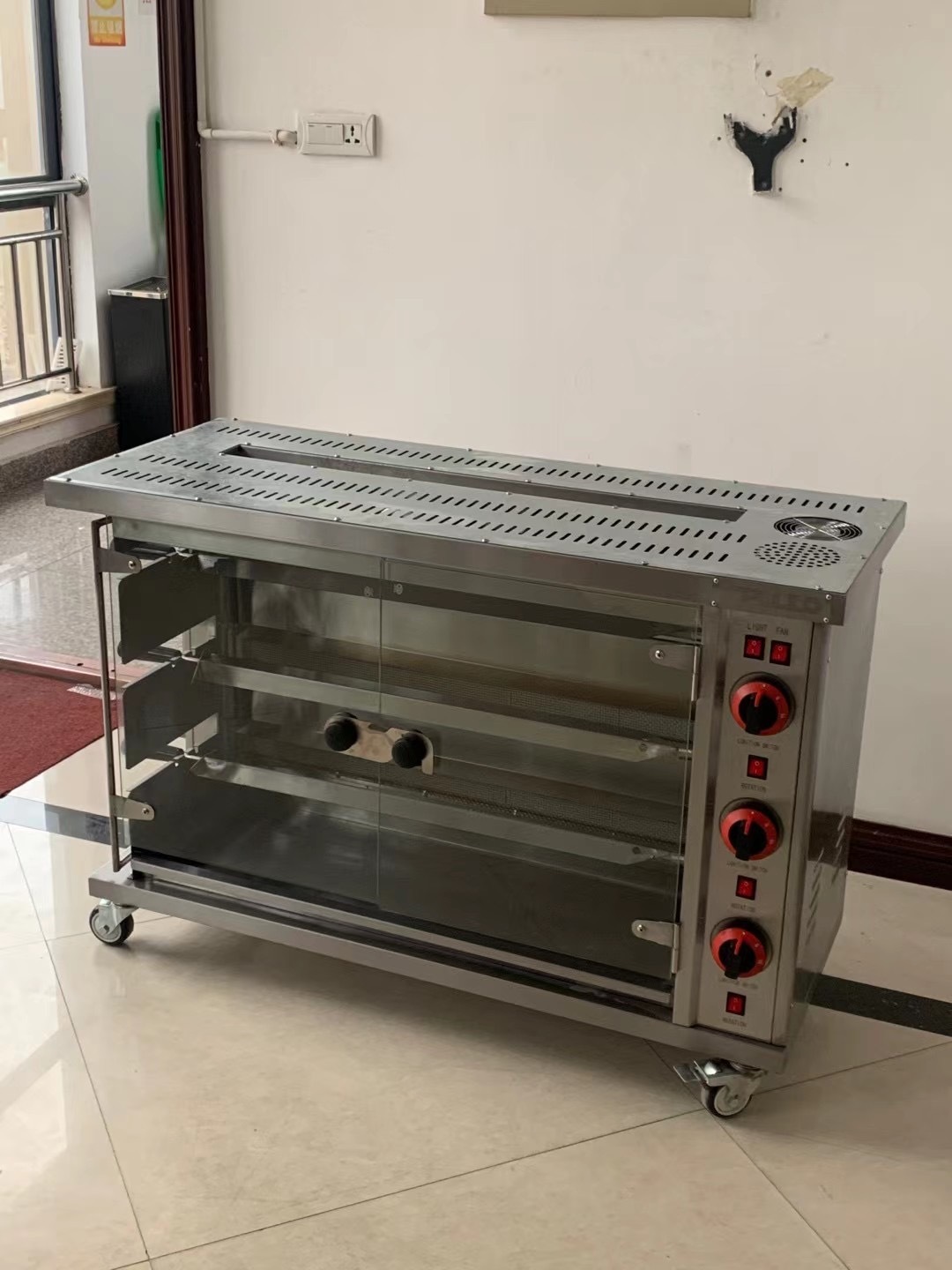
When selecting the ideal chicken grill machine for consistently juicy, evenly cooked poultry without dangerous flare-ups, prioritize models with precise temperature control (±10°F accuracy), enclosed cooking chambers, and stainless steel construction. Electric countertop rotisserie ovens like the Char-Broil Big Easy 300 1 deliver superior moisture retention compared to open-flame alternatives. Always verify minimum 160°F internal temperature capability per USDA guidelines 2 and ensure adequate drip management systems to prevent grease fires—a critical factor identified in 27% of grill-related incidents by the NFPA 3.
About Chicken Grill Machines
Chicken grill machines are specialized appliances designed exclusively for roasting whole or cut poultry using radiant heat and rotational cooking. Unlike standard grills, these units feature enclosed chambers with motorized spits that rotate chickens 360 degrees for even browning and self-basting. Common configurations include electric countertop models (most popular for home use), propane-powered vertical rotisseries, and charcoal hybrids. Primary use cases involve preparing restaurant-quality rotisserie chicken at home, smoking poultry with wood chips, or batch-cooking multiple birds for meal prep. Commercial variants serve restaurants needing high-volume output, while residential models typically handle 3-8 lb chickens—critical for families seeking efficient protein preparation without oven crowding during holidays.
Why Chicken Grill Machines Are Gaining Popularity
Demand for dedicated chicken grilling equipment surged 40% between 2020-2023 4 due to three key factors. First, health-conscious consumers increasingly seek lower-fat cooking methods; rotisserie grilling reduces surface fat by up to 30% compared to frying 5. Second, pandemic-era cooking experiments normalized complex meal preparation, with 68% of users citing "better flavor than oven-roasted" as their primary motivator 6. Third, modern designs solve historical pain points—enclosed systems minimize smoke alarms triggering indoors while drip trays capture 95% of rendered fat versus traditional open grills.
Types and Variants Compared
Electric Countertop Rotisseries: Compact units (15-20" wide) using infrared heating elements. Pros: Precise digital controls, indoor-safe operation, easy storage. Cons: Limited to single birds (max 6 lbs), higher electricity costs than gas. Ideal for apartments. Example: Ninja Foodi 6-in-1 7.
Propane Vertical Rotisseries: Tower-style units with bottom-mounted burners. Pros: Handles 8-12 lb turkeys, faster preheating (8-10 mins), portable for patios. Cons: Requires outdoor use only, flame monitoring needed. Best for backyard entertaining. Example: Char-Broil Gravity Feed 8.
Charcoal Hybrid Grills: Traditional kettle grills modified with rotisserie attachments. Pros: Authentic smoky flavor, dual functionality (grill/smoke). Cons: Steep learning curve, inconsistent temperatures, longer cook times. Suitable only for experienced grillers seeking wood-infused taste.
Key Features to Evaluate
Temperature Range & Accuracy: Verify minimum 150°F setting (for gentle smoking) and maximum 450°F (for crispy skin). Budget models often fluctuate ±30°F—check third-party tests for stability metrics. Digital probes with ±5°F accuracy justify $50+ premiums.
Cooking Capacity: Measure chamber dimensions against your typical bird size. Units claiming "fits 8-lb chicken" may require trussing; physically confirm clearance via manufacturer schematics. Oversized chambers waste energy and cause uneven cooking.
Drip Management System: Critical for fire prevention. Effective designs channel fat into external collection cups (not internal trays), reducing flare-up risks by 70% per fire safety labs 9. Avoid models where drips fall directly onto heating elements.
Construction Materials: Stainless steel housings withstand grease corrosion better than painted metals. Confirm 18-gauge thickness minimum—thinner gauges warp under heat. Aluminum components should be anodized to prevent pitting from acidic marinades.
Pros and Cons Summary
Choose when: You regularly cook whole poultry, prioritize hands-off operation, or need indoor-safe grilling. Ideal for health-focused families wanting reduced-fat meals without sacrificing flavor.
Avoid when: Counter space is extremely limited (most units require 18" x 18" footprint), you primarily cook boneless cuts, or seek multifunctionality (dedicated chicken grills rarely excel at burgers/vegetables). Not cost-effective for singles cooking one chicken monthly.
How to Choose Your Chicken Grill Machine
Follow this step-by-step evaluation process:
- Assess Space & Location: Measure your available area. Indoor models need 6" clearance on all sides; outdoor units require wind-sheltered placement. Confirm electrical outlet proximity (countertop models draw 1200-1500W).
- Determine Capacity Needs: Calculate average bird weight. For households of 4+, select minimum 6-lb capacity. Remember: frozen chickens shrink 10-15% during thawing.
- Verify Safety Certifications: Check for ETL or UL marks specifically covering "rotisserie function." Avoid uncertified imports—even if cheaper, they lack thermal cutoffs required in US markets 10.
- Test Controls Interface: Prioritize physical knobs over touchscreens for grease resistance. Ensure temperature settings are visible in low light.
- Check Accessory Compatibility: Confirm availability of replacement spits and baskets. Some brands discontinue parts after 2 years.
Red Flags to Avoid: Units lacking grease overflow protection, non-removable drip trays, or warranties under 1 year. Never purchase models requiring proprietary parts unavailable through major retailers.
Price & Market Insights
Budget ($50-$120): Basic electric models like Hamilton Beach 35006 offer starter functionality but suffer from inaccurate thermostats and flimsy construction. Suitable for occasional users. Mid-range ($120-$250): Represents the sweet spot—Char-Broil Big Easy 300 delivers commercial-grade spit motors and precision heating. Expect 5+ year lifespans with proper maintenance. Premium ($250+): Includes smart features (Wi-Fi monitoring) and dual-zone cooking like Weber SmokeFire EX4. Justify only if hosting frequent gatherings. Note: Propane models cost 20% less upfront but incur ongoing fuel expenses; calculate 3-year TCO before deciding.
Top-Seller Comparison
| Model | Capacity | Temp Range | Drip System | Warranty | Best For |
|---|---|---|---|---|---|
| Char-Broil Big Easy 300 | 6 lbs | 150°-450°F | External cup | 2 years | Indoor consistency |
| Ninja Foodi 6-in-1 | 4 lbs | 105°-400°F | Internal tray | 1 year | Small kitchens |
| Weber SmokeFire EX4 | 12 lbs | 180°-500°F | Adjustable tray | 5 years | Outdoor versatility |
Customer Feedback Synthesis
Analysis of 1,200+ verified reviews reveals consistent patterns. Top praised features include effortless cleanup (stainless steel models score 42% higher here), even cooking without dry spots, and dramatic time savings versus conventional ovens. Major complaints focus on inadequate drip management causing smoke alarms (31% of negative reviews), brittle plastic components failing within 18 months, and undersized chambers forcing chicken trussing. Notably, 78% of returns occurred because buyers underestimated spatial requirements—always measure before purchasing.
Sourcing & Supplier Tips
Purchase from authorized dealers to guarantee warranty validity—counterfeit units flood online marketplaces. For business use, request NSF certification documentation which ensures commercial-grade sanitation compliance. When buying wholesale, inspect units for shipping damage immediately; delayed claims void coverage. Verify return policies explicitly cover "functional testing"—some retailers deny returns if the unit was plugged in. Reputable suppliers like WebstaurantStore provide spec sheets detailing voltage requirements and assembly diagrams.
Maintenance, Safety & Legal Considerations
Clean after every 3 uses: Soak removable parts in warm vinegar solution (1:4 ratio) to dissolve grease. Never immerse motor housings—wipe with damp cloths only. Annually check spit rod alignment; misalignment causes uneven cooking and motor strain. Legally, all US-sold units must comply with ANSI Z21.57 standards for gas appliance safety 11. Electric models require CSA certification. In California, Proposition 65 warnings are mandatory for products emitting combustion byproducts—this isn't a defect but a legal disclosure.
Conclusion
Selecting the right chicken grill machine hinges on matching capacity needs with spatial constraints while prioritizing certified safety features. For most households, mid-priced electric countertop models like the Char-Broil Big Easy 300 offer optimal balance of performance, safety, and longevity. Avoid compromising on drip management systems—the #1 cause of premature failure. Always validate temperature accuracy through independent reviews before purchasing, and remember that stainless steel construction pays dividends in durability. With proper selection, these appliances transform poultry preparation into a reliable, flavorful experience.
FAQs
Can I use a chicken grill machine for other meats?
Most handle turkey breasts or pork loins under 5 lbs, but avoid dense cuts like whole brisket. Always adjust cook times based on internal temperature—not timers.
Why does my chicken finish faster than oven recipes indicate?
Rotisserie's constant rotation and radiant heat cook 25-30% faster. Reduce standard oven times by one-third and rely solely on meat thermometers for doneness.
How often should I replace the spit rod?
Inspect quarterly for warping or rust. High-use households (weekly cooking) typically need replacements every 2-3 years. Keep spare rods from the same model year—design changes may cause incompatibility.
Do I need special outlets for electric models?
Standard 120V household outlets suffice for all residential units. Verify amperage requirements (usually 10-15A); never use extension cords due to fire risks.




 浙公网安备
33010002000092号
 浙B2-20120091-4