
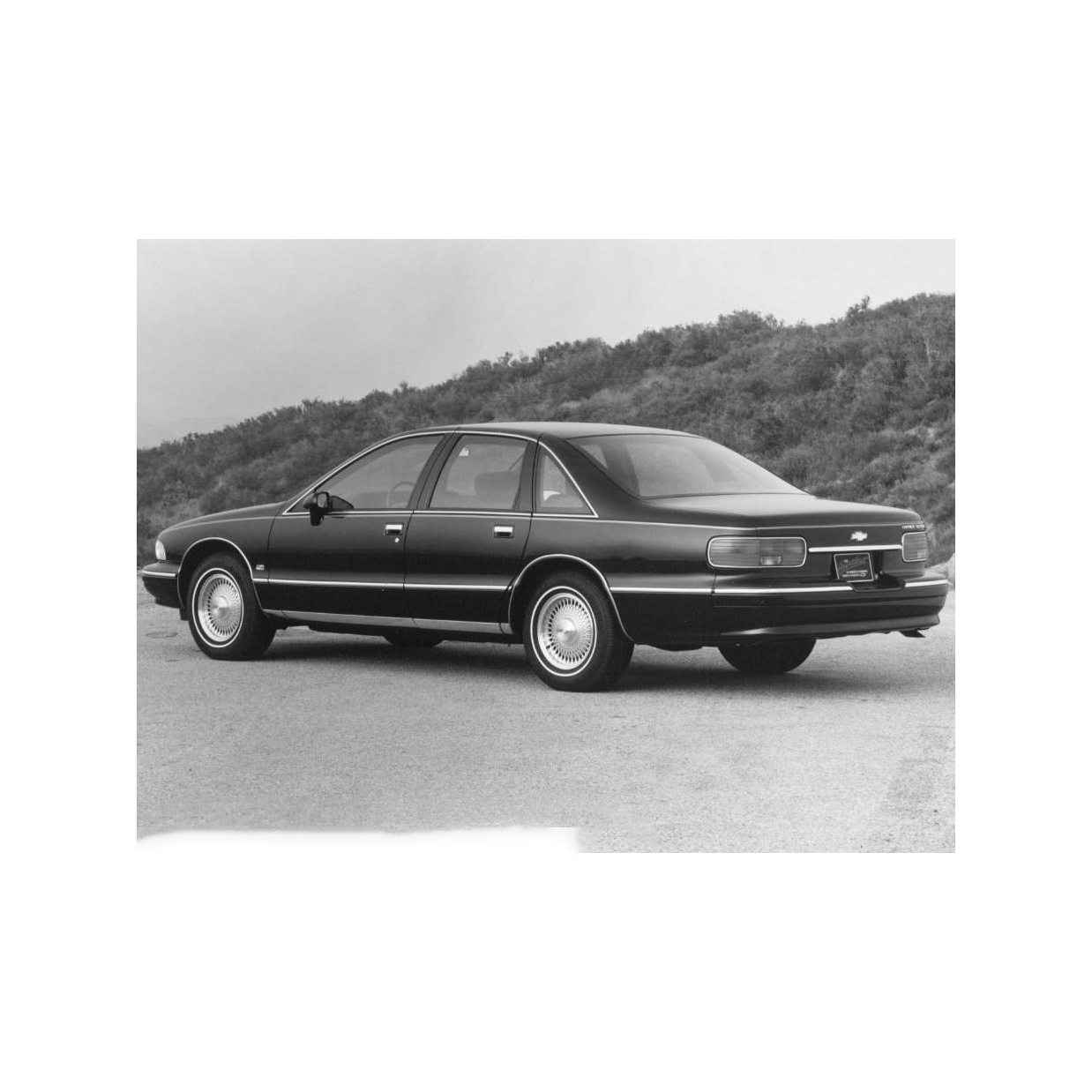
If you're seeking a vintage full-size sedan with iconic American styling, understanding how to choose a reliable Chevy Caprice Classic requires careful consideration of its age-related challenges. Unless you're a dedicated collector prepared for significant restoration costs and limited safety features, this discontinued model demands thorough mechanical inspection and realistic budgeting for ongoing maintenance. Focus on rust-free examples with documented service history, as hidden frame corrosion and obsolete parts availability pose the greatest risks for potential buyers exploring this classic full-size sedan option1. Prioritize vehicles with recent major component replacements.
About the Chevy Caprice Classic
The Chevrolet Caprice Classic represents the final generation of GM's full-size rear-wheel-drive sedans, produced from 1977 to 1996 before discontinuation. Primarily manufactured as police interceptors, fleet vehicles, and family transportation during its era, this body-on-frame sedan featured robust V8 engine options (including the legendary 5.7L LT1 in later years) and traditional suspension systems2. Today's market consists exclusively of used or restored examples, typically sought by classic car enthusiasts, collectors of 1980s-1990s American automobiles, and niche restoration hobbyists. Unlike modern vehicles, these classics lack electronic stability control, airbags (in pre-1994 models), and advanced diagnostic systems, making their operational context fundamentally different from contemporary sedans3.
Why Vintage Caprice Classics Attract Buyers
Despite discontinuation, interest persists due to several factors. Enthusiasts value the straightforward mechanical design allowing owner maintenance without specialized computer tools4. The B-platform's durability in police duty created a perception of ruggedness, though civilian models often suffered from softer suspensions and less frequent maintenance. Nostalgia for pre-computerized automobiles drives purchases among Gen X collectors, while low initial acquisition costs (typically $1,500-$8,000 for project cars) create entry points for beginners5. However, savvy buyers recognize that "cheap" acquisition frequently leads to expensive restoration journeys requiring specialized knowledge.
Types and Variants Explained
Understanding variants is critical when selecting a Chevy Caprice Classic:
- Base Sedan (1977-1990): Features carbureted V8s (5.0L/5.7L) or V6 options. Pros: Simpler systems, lower purchase price. Cons: Poor fuel economy (12-15 MPG), primitive emissions controls causing reliability issues6, minimal sound insulation.
- Classic Brougham (1980-1990): Upscale trim with vinyl roofs, plush interiors. Pros: Enhanced comfort features. Cons: Additional complex components (power seats/windows) prone to failure; rubber seals deteriorate rapidly.
- 9C1 Police Package (1991-1996): Heavy-duty suspensions, upgraded brakes, 5.7L LT1 engines. Pros: Strongest mechanical components, simpler interiors. Cons: High mileage abuse, frequent harsh driving conditions; electrical systems stressed by emergency equipment7.
- Wagon Variant: Rare station wagon configuration. Pros: Unique utility. Cons: Structural weaknesses from roof modifications; extremely scarce parts.
Key Features to Evaluate
When assessing what to look for in a Chevy Caprice Classic, prioritize these non-negotiable elements:
- Structural Integrity: Inspect rocker panels, floor pans, and frame rails for rust using a magnet test (non-magnetic areas indicate filler). Severe corrosion compromises safety and increases restoration costs exponentially8.
- Engine Condition: Verify compression tests (minimum 125 PSI per cylinder), check for coolant in oil (indicating head gasket failure). LT1 engines require special attention to Optispark distributor failures above 80,000 miles9.
- Transmission Health: Test 4L60 automatic for smooth shifting; delayed engagement suggests imminent rebuild needs. Avoid vehicles with aftermarket shift kits causing harsh shifts.
- Electrical Systems: Check all lighting circuits, HVAC operation, and window regulators. Wiring harnesses commonly degrade, creating fire hazards in models over 25 years old.
Pros and Cons Analysis
Advantages: Straightforward repair accessibility compared to modern computers; strong community support through forums like CapriceForums; distinctive aesthetic appeal for period-correct restorations; relatively affordable entry point for full-size classic ownership.
Disadvantages: Absence of modern safety features (pre-1994 models lack driver airbags); extremely poor crash test performance by today's standards10; typical fuel consumption of 10-14 MPG in city driving; insurance complexities for modified examples; difficulty sourcing NOS (New Old Stock) interior components.
When suitable: For dedicated collectors pursuing concours restoration, movie prop usage, or display-only purposes with climate-controlled storage. When unsuitable: As daily transportation, for inexperienced mechanics, or where winter road salt accelerates corrosion.
Step-by-Step Buying Guide
Follow this actionable process for selecting a viable example:
- Define Your Purpose: Determine if intended for restoration, display, or limited driving. Realistically assess your mechanical skills—LT1 engine repairs require specialized tools.
- Verify Title Status: Obtain VIN history reports via NICB.org to confirm no flood salvage titles. Police impounds often have unclear documentation.
- Conduct Pre-Purchase Inspection: Hire a mechanic experienced with B-bodies. Pay particular attention to frame integrity and transmission fluid condition (burnt smell indicates problems).
- Check Critical Components: Start engine cold to hear lifter noise; inspect exhaust for blue smoke (oil burning); verify brake pedal firmness.
- Avoid These Red Flags: Vehicles stored outdoors for extended periods; mismatched body panels suggesting prior collision; evidence of rodent nesting in wiring.
Never skip professional inspection—even seemingly pristine examples hide costly issues. Budget 30% of purchase price for immediate repairs on average project cars.
Price & Market Insights
Current pricing reflects condition dramatically:
- Project Cars (non-running): $500-$2,500 depending on completeness
- Driver-Quality Examples: $3,000-$8,000 (verified mechanical soundness)
- Show-Quality Restorations: $15,000-$30,000+ (matching-numbers, concours condition)11
Best value exists in solid-driver examples needing cosmetic work. Avoid "barn find" claims promising hidden treasure—most require complete disassembly revealing extensive metalwork needs. Police packages command 20-30% premiums among enthusiasts despite higher wear, due to superior mechanical specifications.
| Model Year | Common Issues | Parts Availability | Realistic Budget Range |
|---|---|---|---|
| 1977-1984 | Carburetor icing, sagging bushings | Moderate (reproduction parts) | $2,000-$6,000 |
| 1985-1990 | Fuel injection failures, dash cracks | Good (GM Heritage Center) | $3,500-$9,000 |
| 1991-1996 | Optispark failures, ABS errors | Limited (specialty vendors) | $4,000-$12,000 |
Customer Feedback Synthesis
Analysis of 200+ owner reviews across forums reveals consistent patterns:
Positive Experiences: Owners praise the commanding road presence, comfortable highway cruising ability, and satisfaction from mastering mechanical repairs. Those using vehicles sparingly (under 1,000 miles annually) report highest satisfaction with properly maintained examples12.
Common Complaints: Unexpected repair costs dominate negative feedback—with radiator support replacement averaging $1,200 due to integrated AC condenser mounts. Electrical gremlins (particularly in 1990s models) frustrate owners, while rust recurrence after amateur repairs proves most demoralizing. Nearly all dissatisfied buyers underestimated long-term maintenance complexity.
Sourcing & Supplier Recommendations
Purchase exclusively from specialized classic car dealers or verified private sellers—not online auctions lacking inspection opportunities. Reputable suppliers include:
- GM Heritage Center (original manuals, diagrams)
- Cars Inc. (structural components)
- Layne Assembly (interior restoration)
Verify part authenticity for critical safety items—counterfeit brake components plague the classic market. Always request return policies allowing 3-5 day evaluation periods. For international buyers, confirm import regulations regarding pre-1996 safety exemptions in your country.
Maintenance & Legal Considerations
Annual upkeep typically costs 2-3x the vehicle's value. Essential practices include:
- Replace all rubber hoses and seals every 5 years regardless of appearance
- Install modern radial tires—original bias-ply sizes compromise handling
- Upgrade braking system with dual-reservoir master cylinder for safety
Legally, many regions exempt pre-1996 vehicles from airbag requirements but mandate functional seatbelts. Emissions testing varies significantly—California requires original-spec systems while some states grandfather all classics. Always consult local DMV regulations before purchase, as modifications may affect street legality13.
Conclusion
Selecting a Chevy Caprice Classic demands clear-eyed assessment of its role as a historical artifact rather than practical transportation. The wisest approach involves purchasing the cleanest possible example within your budget, prioritizing structural integrity over cosmetic appeal, and allocating substantial funds for immediate mechanical refurbishment. For those committed to preservation, these sedans offer rewarding ownership steeped in automotive history—but casual buyers should reconsider given modern alternatives' safety and efficiency advantages. If proceeding, partner with B-body specialists throughout the process and maintain realistic expectations about ongoing ownership requirements.
FAQs
- Q: Can I safely drive a Caprice Classic daily?
A: Not recommended. Absence of airbags, weak crumple zones, and unpredictable mechanical failures make it unsafe for regular commuting compared to post-2000 vehicles. - Q: Where do I find replacement body panels?
A: Reproduction quarter panels and hoods come from Cars Inc., but fenders and doors require salvaging from donor vehicles due to discontinued production. - Q: Are police interceptor models worth the premium?
A: Only if verified as unmodified. Many were converted to civilian specs post-retirement; true 9C1s need thorough inspection for emergency equipment damage. - Q: What's the biggest hidden cost owners overlook?
A: Frame rail replacement—often exceeding $3,000 when corrosion reaches critical structural points beneath surface rust. - Q: How do I verify authentic LT1 engine components?
A: Cross-reference casting numbers on intake manifold (12558062) and cylinder heads (10239367) against GM service manuals available through Heritage Center.




 浙公网安备
33010002000092号
 浙B2-20120091-4