

When searching for a reliable yet affordable tool, knowing how to choose a cheap socket is essential. The best cheap sockets offer durability, compatibility, and safety at a fraction of the cost of premium brands. Look for chrome vanadium steel construction, standardized sizing (1/4", 3/8", 1/2" drive), and SAE or metric measurements that match your tools. Avoid extremely low-priced sets with poor finish or inconsistent tolerances, as these can strip fasteners or fail under pressure. A quality budget socket set from a reputable supplier provides excellent value for DIYers and occasional users 1.
About Cheap Socket
A 'cheap socket' refers to a wrench attachment used with a ratchet or breaker bar that is offered at a lower price point than high-end branded equivalents. These sockets are typically part of a set and come in various drive sizes including 1/4-inch, 3/8-inch, and 1/2-inch, covering both SAE (imperial) and metric dimensions. They are designed to fit over nuts and bolts to tighten or loosen them efficiently.
Cheap sockets are widely used by DIY enthusiasts, home mechanics, and maintenance workers who need functional tools without investing in professional-grade kits. While they may lack some advanced features like laser-etched markings or ultra-thin walls, many affordable options still meet industry standards for torque handling and dimensional accuracy.
Why Cheap Socket Is Gaining Popularity
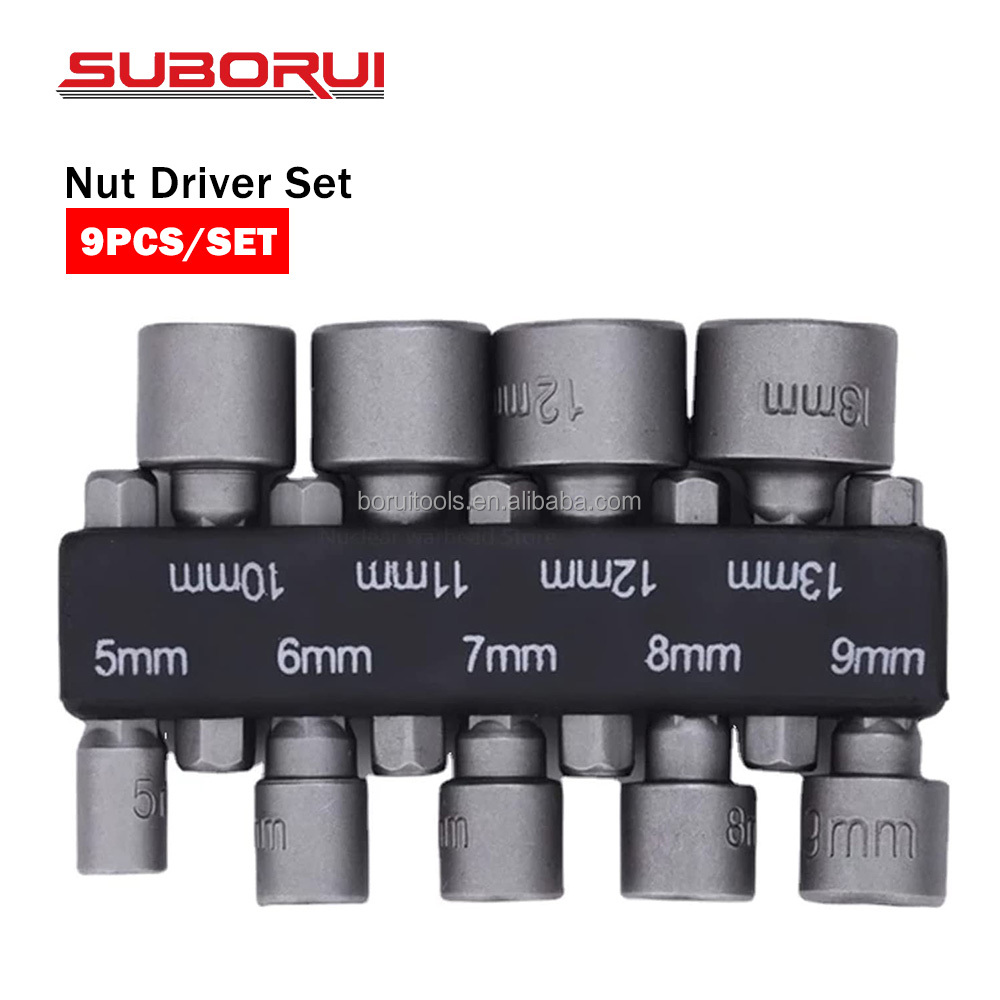
The demand for cheap sockets has grown due to rising interest in home repairs, automotive maintenance, and cost-effective tool solutions. With more people tackling projects independently, there's a strong incentive to find tools that balance performance and affordability.
Budget-conscious consumers appreciate that modern manufacturing allows even inexpensive sockets to perform reliably under normal conditions. Online marketplaces have also increased access to competitively priced tool kits, making it easier than ever to buy a full set of sockets without overspending. Additionally, beginners often prefer starting with an economical option before upgrading to specialized or impact-rated gear later.
Types and Variants
Different types of cheap sockets serve distinct purposes. Understanding their differences helps ensure you select the right type for your tasks.
Standard (Six-Point vs Twelve-Point)
- Six-point sockets: Have six internal contact points and provide better grip on fasteners, reducing rounding risk. Ideal for high-torque applications but less convenient when speed matters.
- Twelve-point sockets: Feature double the engagement points, allowing faster placement on nuts. However, they're more prone to slippage under heavy load.
For general use, twelve-point models offer convenience; for maximum strength, six-point is preferable 2.
Shallow vs Deep Sockets
- Shallow sockets: Most common, ideal for easily accessible fasteners.
- Deep sockets: Longer body allows reaching bolts extending into engine compartments or threaded rods. Useful in automotive work.
Impact vs Standard
- Standard sockets: Made from chrome vanadium steel, suitable for hand tools only.
- Impact sockets: Constructed from tougher materials like chrome molybdenum, designed to withstand sudden torque from pneumatic or electric impact wrenches.
Never use standard sockets with impact tools—they can shatter. Many cheap sets do not specify impact rating clearly, so verify material and labeling carefully.
Specialty Sockets
Some budget sets include specialty variants such as:
- Spark plug sockets: Include rubber insert to hold the plug during installation.
- Flex-head or swivel sockets: Allow angled access in tight spaces.
- Pass-through sockets: Hollow design lets long bolts remain partially extended.
While useful, these are often lower quality in cheap sets and may break under stress.
Key Features and Specifications to Evaluate
To determine if a cheap socket is worth buying, assess several critical factors:
- Material: Chrome vanadium steel (Cr-V) is standard for hand-use sockets. It offers good strength and corrosion resistance. Impact sockets should be made from chrome molybdenum (Cr-Mo).
- Tolerance & Fit: Poorly machined sockets may wobble on fasteners, leading to rounded corners. Check reviews for mentions of fit consistency.
- Drive Size Compatibility: Ensure the socket matches your ratchet’s drive size: 1/4", 3/8", or 1/2" are most common.
- Size Markings: Legible, permanently etched sizes help avoid confusion during use.
- Finish Quality: Smooth chrome plating resists rust and makes cleaning easier. Rough edges indicate subpar production.
- Retention Mechanism: Spring-loaded ball detent should securely hold the socket on the ratchet.
Pros and Cons
Advantages of Cheap Sockets
- Cost-effective: Full sets available for under $30, ideal for infrequent users.
- Wide availability: Found on major online retailers and hardware stores.
- Sufficient for light-duty tasks: Perfect for furniture assembly, bike repair, or basic car maintenance.
- Variety: Many include both metric and SAE sizes, extensions, and adapters.
Disadvantages of Cheap Sockets
- Inconsistent quality control: Some units in a set may have loose tolerances.
- Limited durability: Not built for daily professional use or high torque.
- Mislabeling risks: Rare cases where size markings don’t match actual dimensions.
- Safety concerns: Inferior metals may crack or fragment under stress.
Cheap sockets are suitable for homeowners and hobbyists but not recommended for commercial garages or heavy mechanical work.
How to Choose a Cheap Socket
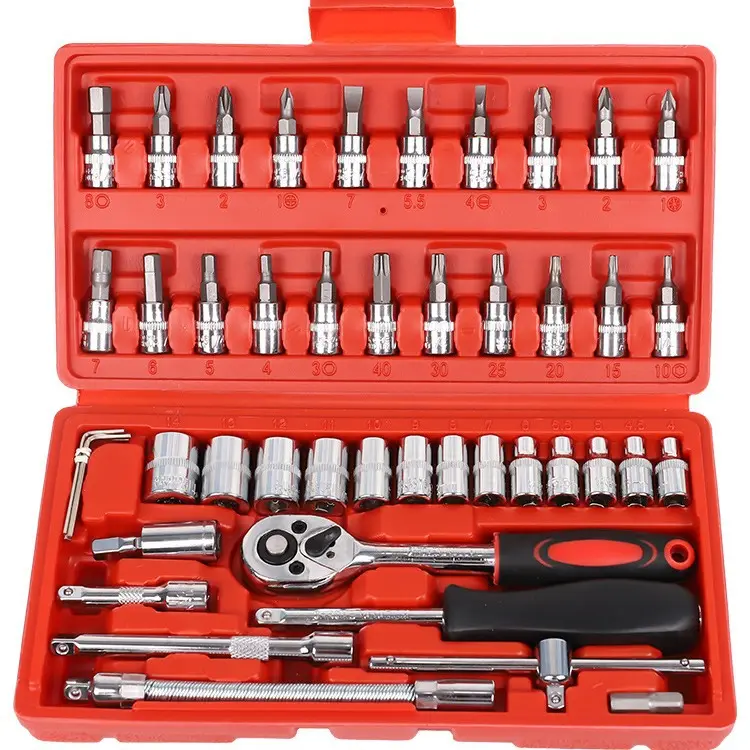
Follow this step-by-step guide to make a smart purchase:
- Define Your Use Case: Are you assembling IKEA furniture or working on a car engine? Light tasks allow broader options; mechanical jobs require tighter tolerances.
- Select Drive Sizes Needed: Start with 3/8" drive—it’s the most versatile. Add 1/4" for small electronics and 1/2" for larger automotive components.
- Check Material Specification: Confirm sockets are made from Cr-V steel. Avoid unbranded kits with no material data.
- Verify Size Range: A solid starter set includes 8–16 mm (metric) and 1/4"–1/2" (SAE). More pieces aren’t always better—focus on needed sizes.
- Read Customer Reviews: Look for feedback about fit accuracy, plating durability, and broken sockets.
- Avoid Red Flags: Extremely low prices (<$10 for 50+ pc set), missing certifications, blurry printing, or vague product descriptions.
- Test Before Use (if possible): If bought locally, inspect edge smoothness and try fitting a known bolt.
Price & Market Insights
Cheap socket sets typically range from $10 to $40. Here's a breakdown:
- $10–$15: Entry-level kits (40–60 pcs), often include basic extensions and ratchets. May have mixed quality; best for very light use.
- $16–$25: Mid-tier budget sets with improved machining and better organization. Often include rail organizers or cases.
- $26–$40: Higher-value bundles offering dual-drive sizes, deeper sockets, and better materials. Some approach mid-range brand performance.
Price alone doesn’t guarantee quality. Sets priced too low may cut corners on heat treatment or inspection processes. Focus on value—what you get per dollar—rather than lowest cost.
| Brand/Model | Piece Count | Drive Sizes | Material | Approx. Price |
|---|---|---|---|---|
| TOPON Premium Set | 72-Piece | 1/4", 3/8", 1/2" | Chrome Vanadium Steel | $28 |
| DeWalt DWMT73717 | 37-Piece | 3/8" | CR-V Steel | $35 |
| Amazon Basics 108-Pc | 108-Piece | 1/4", 3/8" | Chrome Vanadium (sockets) | $30 |
Top-Seller & Competitive Analysis
Popular models like the Amazon Basics 108-piece set offer extensive variety at a low price. Users appreciate the inclusion of multiple ratchets and extension bars. However, some report weaker retention balls and thinner wall construction compared to pricier alternatives.
The TOPON 72-piece kit receives praise for its organized case and clear labeling. It includes both shallow and deep sockets across all three drive sizes—an advantage for versatility.
DeWalt’s 37-piece set stands out for build quality despite fewer components. Known for durable plating and precise fit, it appeals to those prioritizing reliability over quantity.
When comparing top sellers, consider whether you value breadth (number of pieces) or depth (build quality). Read verified purchaser comments focusing on long-term wear and first-time usability.
Customer Feedback Synthesis
Analyzing hundreds of user reviews reveals consistent patterns:
Common Praises:
- "Great value for the price"
- "Includes everything I need for basic repairs"
- "Case keeps everything organized"
- "Markings haven't worn off after months of use"
Frequent Complaints:
- "One socket was slightly oversized and stripped a bolt"
- "Ratchet broke after two uses"
- "Hard to tell sizes apart—printing is faint"
- "Magnet in holder isn’t strong enough"
The most recurring issue involves accessory tools (ratchets, extensions) failing before the sockets themselves. This suggests that while socket bodies may last, supporting components in cheap kits are often the weak link.
Sourcing & Supplier Tips
Buying from established retailers like Home Depot, Lowe’s, or Amazon increases the likelihood of receiving authentic products with return options. Third-party marketplaces (e.g., eBay, AliExpress) may offer lower prices but carry higher risk of counterfeit or mislabeled items.
For bulk purchases (e.g., equipping a training lab or startup workshop), consider contacting wholesalers or industrial suppliers who offer tiered pricing. Always request sample units before placing large orders.
If reselling, verify warranty terms and packaging authenticity. Some manufacturers prohibit unauthorized distribution.
Upon receipt, inspect each socket for burrs, correct sizing (use calipers if possible), and secure detent balls. Test one with a matching bolt to confirm snug fit.
Maintenance, Safety & Legal Considerations
Proper care extends the life of cheap sockets:
- Keep clean and dry to prevent rust.
- Store in original case to avoid damage and loss.
- Do not expose to excessive heat or corrosive chemicals.
- Replace any cracked, deformed, or excessively worn sockets immediately.
Safety note: Never use standard sockets with impact tools. The metal fatigue can cause sudden fracture, posing injury risk. Only use impact-rated sockets (usually black oxide finish) with impact wrenches.
Legally, most sockets sold in the U.S. comply with ASME B107.500 standards for hand tool performance. While cheap sets aren’t always certified, many still conform. If compliance is required (e.g., for workplace tools), request documentation from the seller.
Conclusion
Choosing the best cheap socket comes down to balancing cost, intended use, and quality indicators. For DIYers and casual users, well-reviewed budget sets made from chrome vanadium steel offer excellent functionality. Prioritize sets with clear size markings, proper drive compatibility, and positive long-term feedback. Avoid suspiciously cheap kits with no material specs or safety information. By following a structured evaluation process—assessing material, fit, and included accessories—you can find a reliable, affordable socket set that meets your needs without compromising safety or performance.
FAQs
Can I use cheap sockets with an impact wrench?
No. Most inexpensive sockets are made from chrome vanadium steel intended for hand tools only. Using them with an impact wrench can cause cracking or shattering. Always use impact-rated sockets (typically made from chrome molybdenum) for power tools.
Are cheaper socket sets worth it for beginners?
Yes, if purchased from a reputable brand or seller. Inexpensive sets provide a complete toolkit for learning and light projects. Just inspect quality upon arrival and replace any defective pieces early.
How do I know if a socket is the right size?
Match the drive size (1/4", 3/8", etc.) to your ratchet. Then check the socket’s stamped size against the fastener using a gauge or known-good nut. A snug, wobble-free fit indicates correct sizing.
What should I do if a socket starts to rust?
Wipe it clean with a dry cloth, apply light machine oil, and store in a dry place. Minor surface rust can be removed with fine steel wool, but discard deeply corroded sockets as they may weaken structurally.
Is more pieces always better in a socket set?
Not necessarily. Large counts (e.g., 100+ pieces) often include rarely used sizes or low-quality accessories. Focus on having the core sizes you actually need with solid build quality rather than maximizing piece count.




 浙公网安备
33010002000092号
 浙B2-20120091-4