
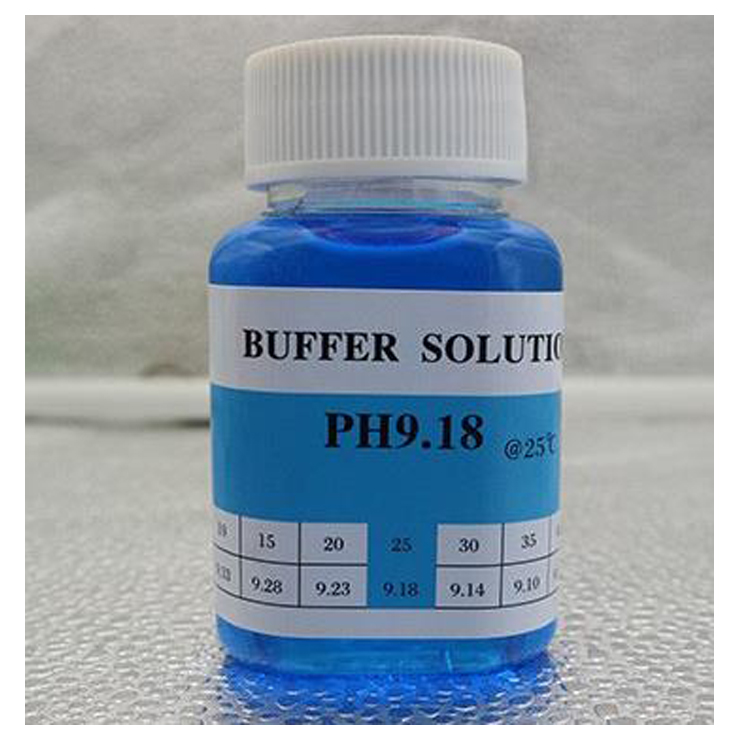
When selecting a buffer solution for laboratory applications, the key is matching the buffer’s pH range, ionic strength, and chemical compatibility to your specific experimental requirements. For instance, if you're working with enzymatic assays, choosing a high-purity phosphate or Tris buffer solution with minimal heavy metal contamination ensures accurate and reproducible results. A well-chosen buffer maintains stable pH despite dilution or temperature shifts, which is critical in molecular biology, protein purification, and cell culture workflows 1. Always verify the buffer’s buffering capacity (pKa ±1) aligns with your target pH, and consider pre-made versus powdered forms based on convenience and shelf life needs.
About Buffer Solution
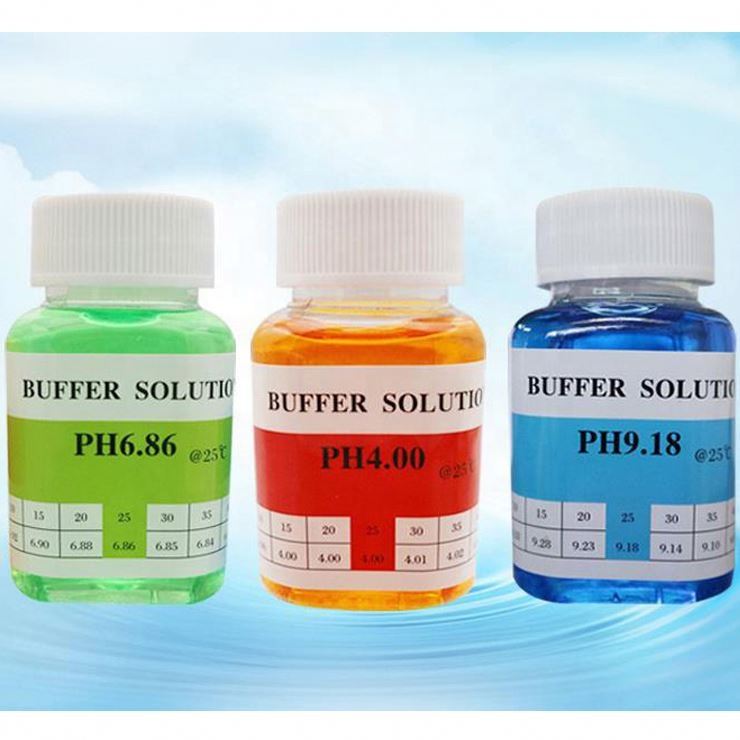
A buffer solution is a crucial reagent in chemistry and biology that resists changes in pH when small amounts of acid or base are added. It typically consists of a weak acid and its conjugate base, or a weak base and its conjugate acid. Common examples include acetate buffers (for pH 3.6–5.6), phosphate buffers (pH 5.8–8.0), and Tris (tris(hydroxymethyl)aminomethane) buffers (pH 7–9) 2.
Buffer solutions are widely used across various scientific fields. In biochemistry, they maintain optimal pH during enzyme activity studies. In molecular biology, buffers are essential in DNA extraction, PCR amplification, and electrophoresis. They also play a role in pharmaceutical development, diagnostic testing, and industrial processes where pH control affects product quality and reaction efficiency.
Why Buffer Solution Is Gaining Popularity
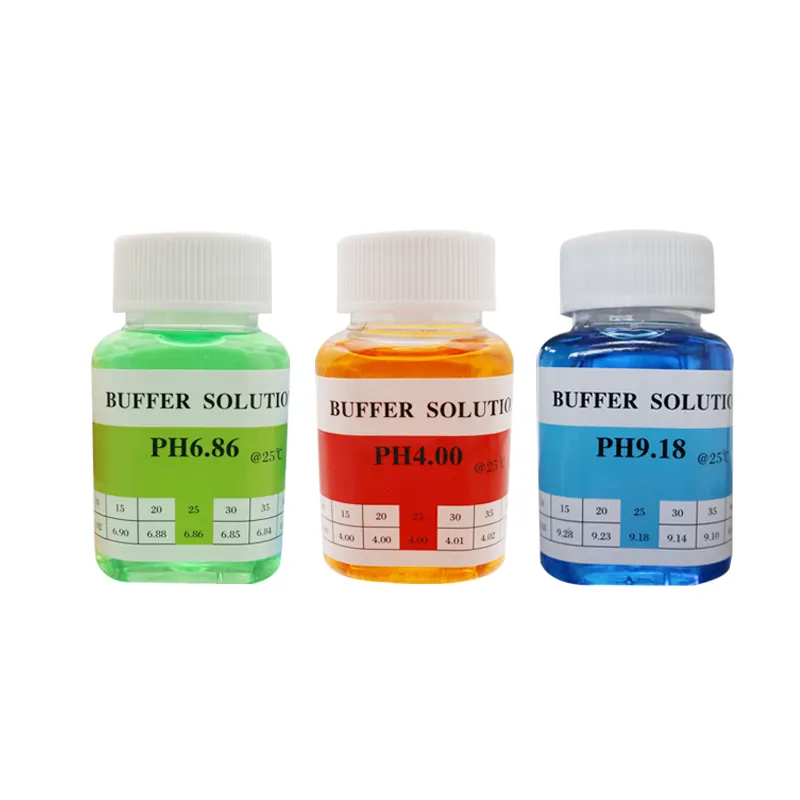
The growing demand for precision in research and diagnostics has driven increased reliance on reliable buffer systems. With advances in genomics, proteomics, and personalized medicine, scientists require consistent and reproducible experimental conditions—buffer solutions provide exactly that. Additionally, the expansion of biotech startups and academic labs conducting high-throughput screening has amplified the need for ready-to-use, standardized buffers.
Another factor contributing to their popularity is improved availability. Major suppliers now offer pre-formulated, sterile-filtered, and pH-certified buffer solutions, reducing preparation time and human error. This shift supports faster experimentation cycles, especially in clinical and industrial settings where time-to-result matters.
Types and Variants
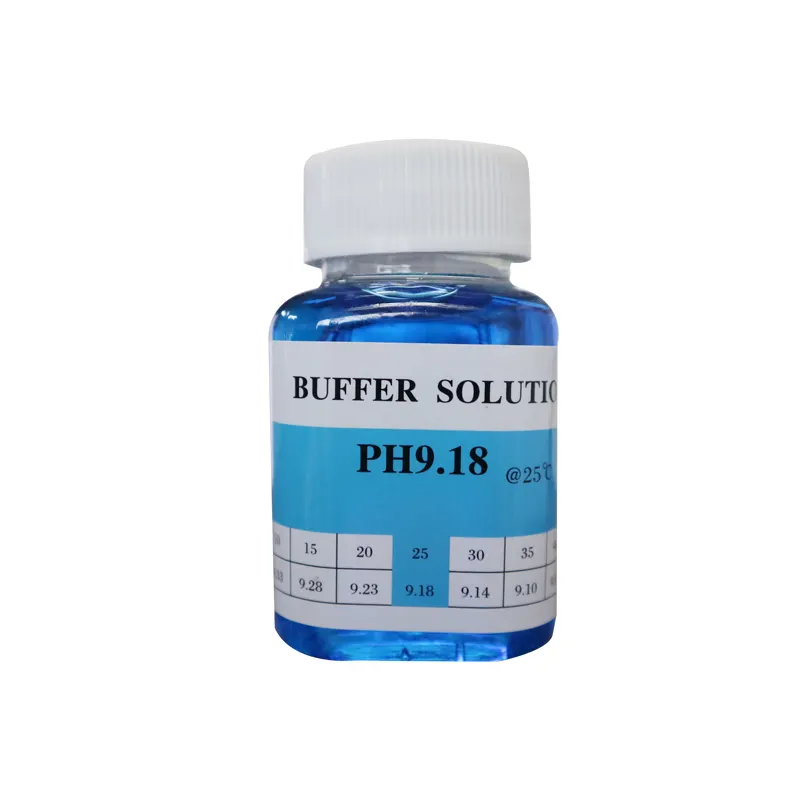
Different types of buffer solutions serve distinct purposes depending on the desired pH range, temperature sensitivity, and biological compatibility. Below are some common variants:
1. Acetate Buffers
Used primarily in the acidic pH range (3.6–5.6), acetate buffers are ideal for food analysis, dyeing processes, and certain chromatography methods.
- Pros: Simple composition, low cost, effective buffering in acidic environments.
- Cons: Not suitable for mammalian cell cultures; can interfere with some enzymatic reactions.
2. Phosphate Buffers
One of the most widely used types, effective between pH 5.8 and 8.0. Commonly found in immunoassays, cell culture media, and physiological simulations.
- Pros: High solubility, excellent buffering capacity near physiological pH, compatible with many biological systems.
- Cons: Can precipitate with calcium or divalent cations; not recommended for phosphate-sensitive assays.
3. Tris Buffers
Frequently used in biochemistry and molecular biology, particularly in gel electrophoresis and protein studies (pH 7–9).
- Pros: High buffering capacity in alkaline ranges, water-soluble, widely accepted in research protocols.
- Cons: Temperature-sensitive pH (drops ~0.03 units per °C rise); may interfere with some enzymatic assays.
4. HEPES and Other Good's Buffers
Synthetic zwitterionic buffers designed for cell culture and sensitive biochemical applications. HEPES works well between pH 6.8 and 8.2.
- Pros: Minimal metal ion interactions, non-toxic to cells, photostable.
- Cons: More expensive than traditional buffers; limited buffering outside designated range.
5. Borate Buffers
Used in alkaline conditions (pH 8.5–10), often in DNA separation techniques like agarose gel electrophoresis.
- Pros: Effective at high pH, useful in capillary electrophoresis.
- Cons: Toxic to living cells; reacts with sugars and glycoproteins.
Key Features and Specifications to Evaluate
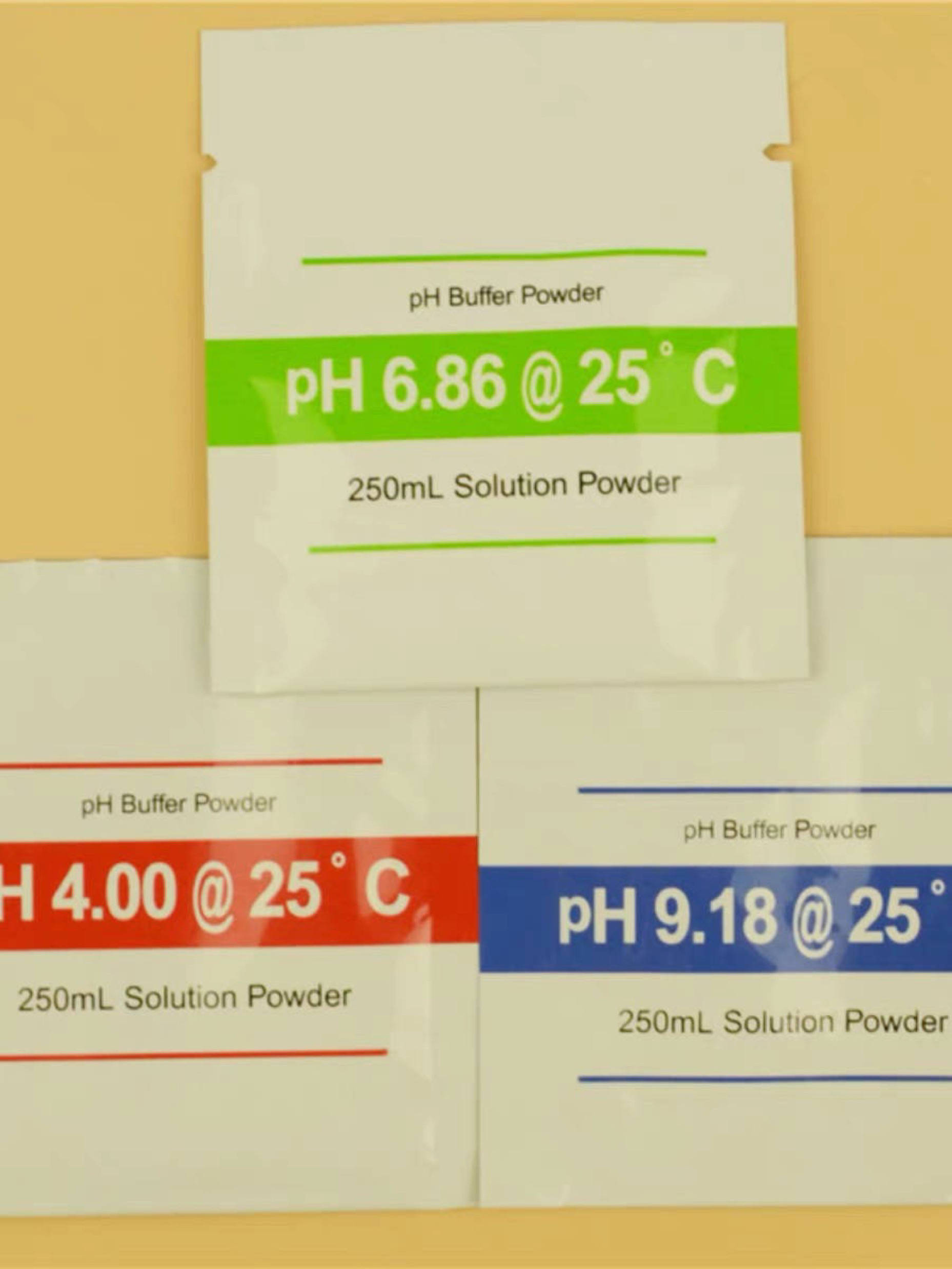
To choose the right buffer solution, consider these technical parameters:
- pH Range & pKa: Ensure the buffer’s pKa is within ±1 unit of your required pH for maximum effectiveness.
- Concentration: Typically 10–100 mM; higher concentrations increase buffering capacity but may affect osmolarity.
- Purity Grade: Research-grade (≥99%) vs. technical grade; opt for low endotoxin levels in cell culture applications.
- Sterility: Sterile-filtered (0.22 µm) buffers are essential for cell-based assays or injection preparations.
- Additives: Some buffers contain EDTA, sodium chloride, or preservatives—verify compatibility with downstream processes.
- Temperature Stability: Check how pH varies with temperature, especially for long-term incubations.
- UV Absorbance: Important for spectrophotometric assays; avoid buffers with high UV absorbance unless specified.
Pros and Cons
Understanding the trade-offs helps determine suitability:
Advantages:
- Maintain stable pH under variable conditions
- Support reproducibility in experiments
- Available in diverse formulations for specialized uses
- Pre-made options reduce prep time and contamination risk
Limitations:
- Some buffers degrade over time or under light exposure
- Certain types interfere with assays (e.g., phosphate in kinase studies)
- Cost increases significantly for high-purity or sterile versions
- Improper storage leads to pH drift and microbial growth
Buffer solutions are ideal when precise pH control is needed, such as in enzyme kinetics or nucleic acid handling. However, they are less suitable for applications involving incompatible ions or where minimal chemical interference is mandatory.
How to Choose a Buffer Solution
Selecting the best buffer involves a systematic approach:
- Define Your Application: Are you running a PCR? Culturing cells? Performing a colorimetric assay? Match the buffer type accordingly.
- Determine Required pH: Identify the optimal pH for your reaction and select a buffer with pKa close to it.
- Check Compatibility: Ensure no interference with enzymes, substrates, or detection methods (e.g., Tris can chelate metals).
- Evaluate Form Factor: Decide between liquid concentrates, powders, or ready-to-use solutions based on lab workflow and shelf space.
- Assess Purity Needs: Use ultra-pure, nuclease-free buffers for sensitive applications like RT-qPCR.
- Review Storage Requirements: Some buffers require refrigeration or protection from light; confirm lab capabilities.
- Verify Certifications: Look for ISO-compliant manufacturing, lot-specific certificates of analysis (CoA), and endotoxin testing if needed.
- Avoid Red Flags: Be cautious of vendors without clear labeling, missing CoAs, or unusually low prices suggesting compromised quality.
Price & Market Insights

Prices vary widely based on formulation, volume, and purity. Here’s a general breakdown:
- Bulk Powder (100g): $15–$50 for common buffers like Tris or acetate.
- Liquid Concentrate (1L): $30–$100 for standard buffers; up to $150+ for sterile, certified grades.
- Ready-to-Use Sterile (500 mL): $60–$200 depending on brand and additives.
High-end Good’s buffers (e.g., HEPES, MOPS) can cost 2–5 times more than basic alternatives. While premade solutions save time, powders offer better long-term value for high-volume users. Consider total cost of ownership: factor in labor, sterility assurance, and waste reduction when evaluating convenience versus economy.
Top-Seller & Competitive Analysis
Leading brands include Thermo Fisher Scientific, Sigma-Aldrich, Bio-Rad, and VWR. Each offers varying degrees of customization, certification, and packaging.
| Product | pH Range | Volume | Form | Key Feature | Approx. Price (USD) |
|---|---|---|---|---|---|
| Sigma-Aldrich Tris-HCl Buffer | 7.0–9.0 | 1 L | Liquid | High purity, CoA provided | $75 |
| Thermo Fisher PBS Buffer | 7.2–7.4 | 10 L | Liquid | Sterile, tissue culture tested | $180 |
| Bio-Rad TAE Buffer (Powder) | 8.3–8.5 | 1 kg (makes 100L) | Powder | Cost-effective for gels | $90 |
| VWR HEPES Buffer Solution | 7.0–8.0 | 500 mL | Liquid, sterile | Low endotoxin, cell culture grade | $130 |
While all perform reliably, premium brands justify higher pricing through rigorous QC and traceability. Generic suppliers may offer savings but often lack detailed documentation.
Customer Feedback Synthesis
Analysis of user reviews reveals consistent themes:
Common Praises:
- "Reliable pH consistency across batches"
- "Sterile packaging prevents contamination in cell work"
- "Clear labeling and easy-to-follow instructions"
Frequent Complaints:
- "Unexpected precipitation after storage" (often due to improper sealing or temperature changes)
- "Higher-than-advertised endotoxin levels in 'cell culture grade' products"
- "Poor customer service when reporting defective lots"
Users appreciate transparency in formulation and batch testing. Issues often stem from storage errors or miscommunication about intended use rather than product failure.
Sourcing & Supplier Tips
For individual labs, purchasing from authorized distributors ensures authenticity and access to technical support. When sourcing in bulk:
- Request lot-specific certificates of analysis (CoA) before placing large orders.
- Verify return policies for opened or contaminated containers.
- Consider consignment inventory agreements with major suppliers to reduce upfront costs.
- For OEM or private labeling, ensure supplier compliance with ISO 13485 or similar standards.
- Always inspect shipments for leaks, correct labeling, and expiration dates upon arrival.
Maintenance, Safety & Legal Considerations
Proper handling extends buffer usability and ensures safety:
- Storage: Keep buffers in tightly sealed containers away from light and heat. Refrigerate if specified.
- Shelf Life: Most liquid buffers last 6–24 months; powders can last 2–3 years if dry.
- Safety: Wear gloves and eye protection; some buffers (e.g., glycine at high pH) are irritants.
- Disposal: Follow local regulations for chemical waste; do not pour concentrated buffers down the drain without neutralization.
- Regulatory Compliance: In diagnostic or therapeutic applications, ensure buffers meet USP, EP, or FDA guidelines as applicable.
Conclusion
Choosing the right buffer solution hinges on understanding your experimental needs, including pH stability, compatibility, and purity requirements. Whether you're optimizing a Western blot or scaling up bioproduction, matching the buffer type—such as phosphate, Tris, or HEPES—to your application ensures reliable results. Prioritize quality documentation, proper storage, and vendor reliability over minor cost differences. By following a structured evaluation process, researchers can make informed decisions that enhance both accuracy and efficiency in the lab.
FAQs
What should I look for when buying a buffer solution?
Focus on pH range, buffering capacity, purity grade, sterility, and compatibility with your assay. Always check the certificate of analysis for critical applications.
Can I make my own buffer instead of buying pre-made?
Yes, but only if you have calibrated pH meters, high-purity chemicals, and proper sterilization equipment. Pre-made buffers reduce variability and save time.
Do buffer solutions expire?
Yes. Liquid buffers typically last 1–2 years; powders last longer. Monitor for cloudiness, odor, or pH drift as signs of degradation.
Why does my buffer solution form a precipitate?
This can occur due to temperature changes, evaporation, or interaction with divalent cations (e.g., Ca²¹ or Mg²¹). Store properly and avoid mixing incompatible components.
Are all PBS buffers the same?
No. Formulations vary in salt concentration, presence of potassium, and additives like calcium/magnesium. Always confirm composition matches your protocol.




 浙公网安备
33010002000092号
浙公网安备
33010002000092号 浙B2-20120091-4