
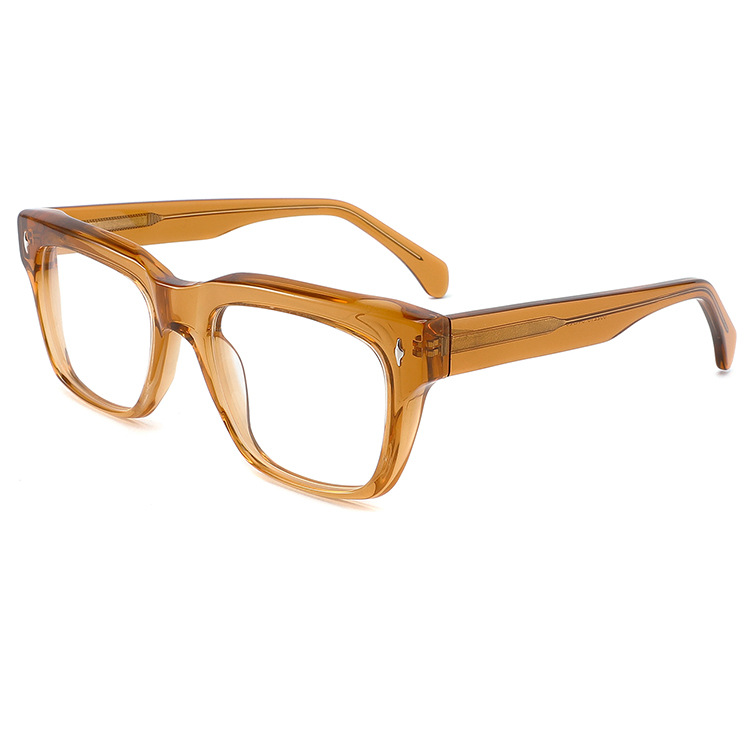
When choosing acetate frames rectangular, prioritize a balance of fit, material quality, and frame geometry that complements your face shape. High-quality cellulose acetate offers durability, rich color depth, and hypoallergenic properties—ideal for daily wear. Look for five-barrel hinges, proper temple length (typically 140–145mm), and adjustable nose pads if needed. A well-fitted pair of acetate frames rectangular should sit comfortably on the ears and nose without slipping or pinching, while the lens width aligns with your brow line 1. For those seeking long-term comfort and timeless design, premium handcrafted acetate often outperforms injection-molded plastics.
About Acetate Frames Rectangular
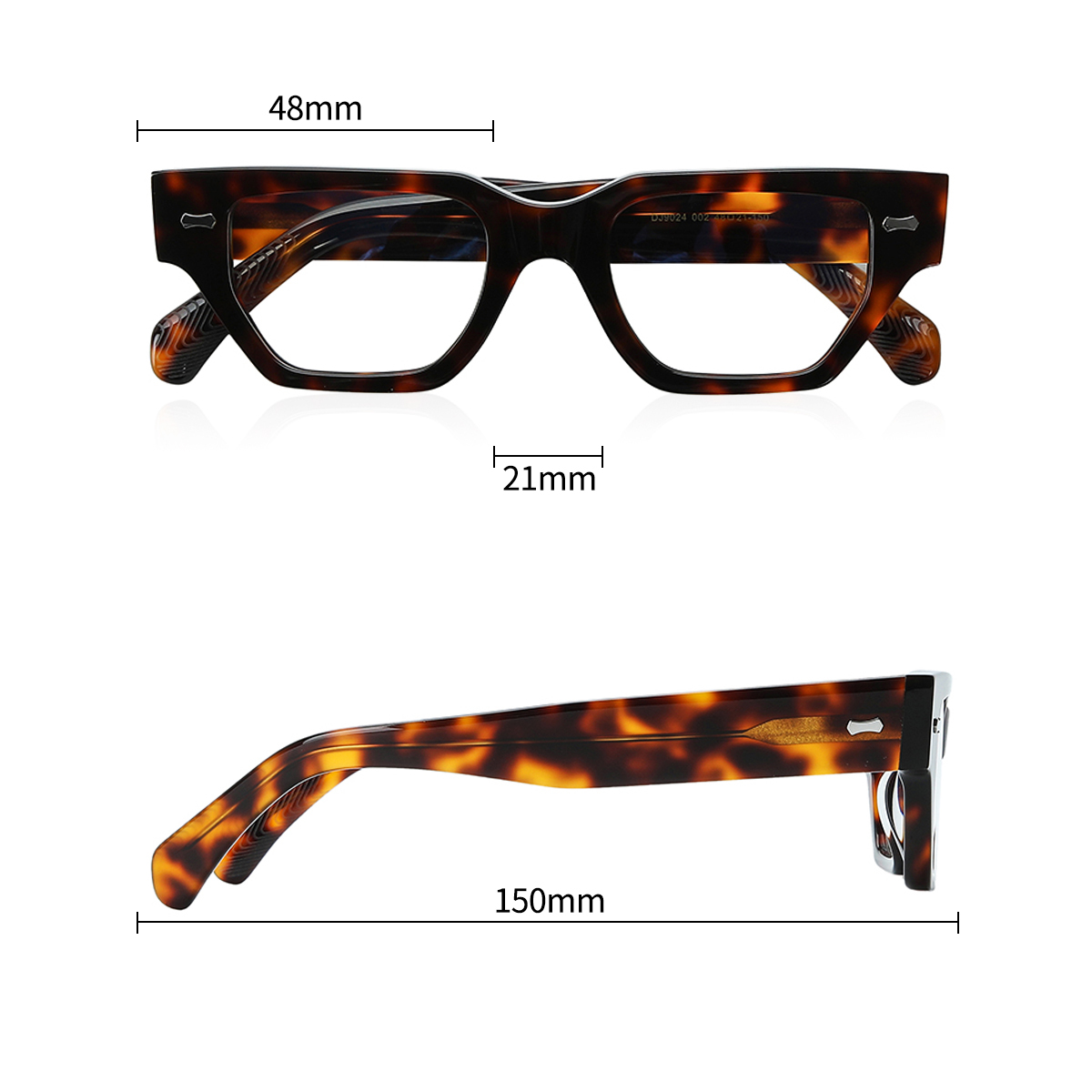
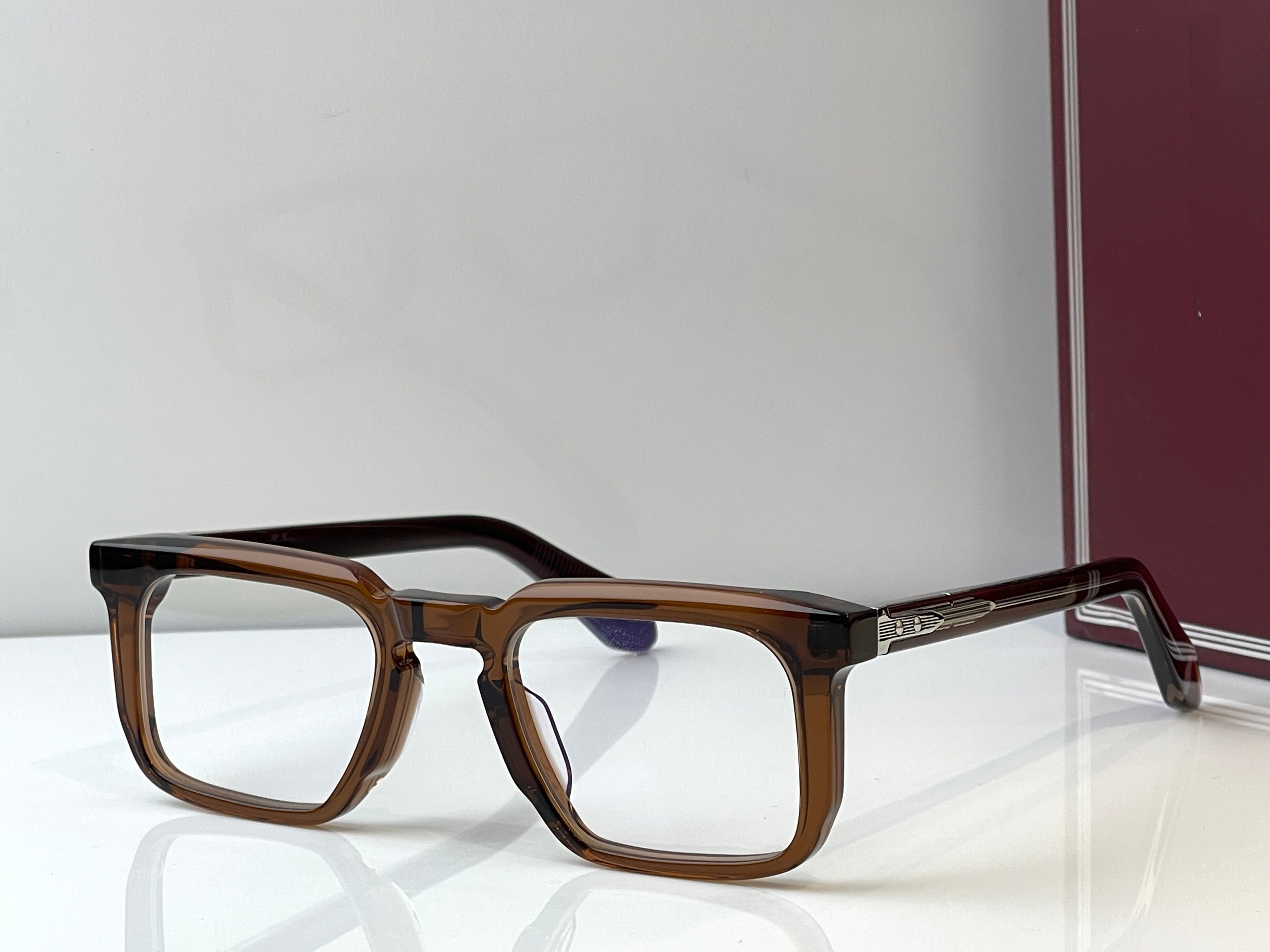
Acetate frames rectangular refer to eyeglass frames made from cellulose acetate—a plant-based plastic derived from cotton and wood pulp—in a rectangular lens shape. This combination is popular among professionals and style-conscious wearers due to its structured appearance and versatility. The rectangular silhouette typically features slightly rounded corners, horizontal emphasis, and balanced proportions, making it suitable for both optical glasses and sunglasses.
Cellulose acetate has been used in eyewear manufacturing since the early 20th century. Unlike petroleum-based plastics, it allows for deep, layered coloring and can be polished to a lustrous finish. Rectangular acetate frames are often associated with intellectual, classic, or minimalist aesthetics, commonly seen in designs inspired by vintage styles from the 1950s–70s. They work especially well for individuals with round, oval, or heart-shaped faces, as the angular lines provide contrast and definition.
Why Acetate Frames Rectangular Is Gaining Popularity
In recent years, there's been a resurgence in demand for acetate frames rectangular, driven by growing consumer interest in sustainable materials, artisanal craftsmanship, and retro-inspired fashion. Cellulose acetate is biodegradable under industrial conditions and considered more eco-friendly than polycarbonate or nylon-based plastics 2.
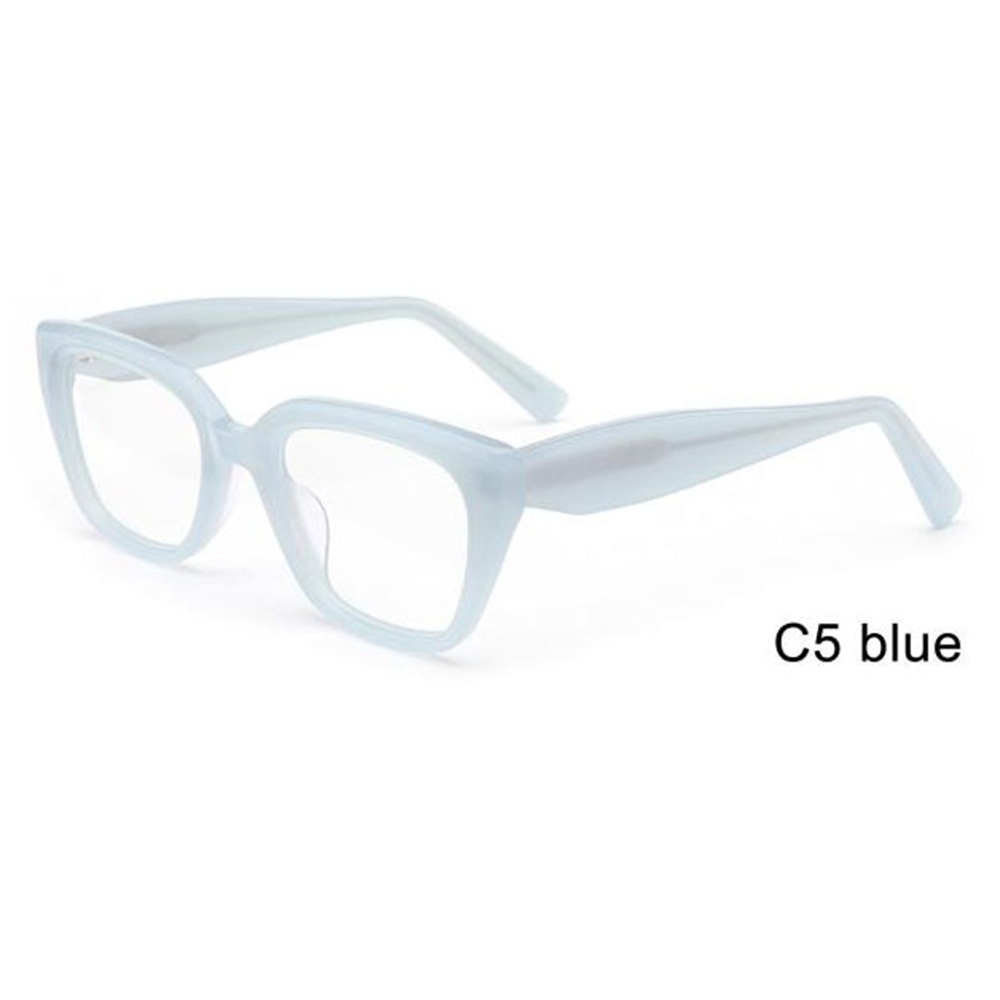
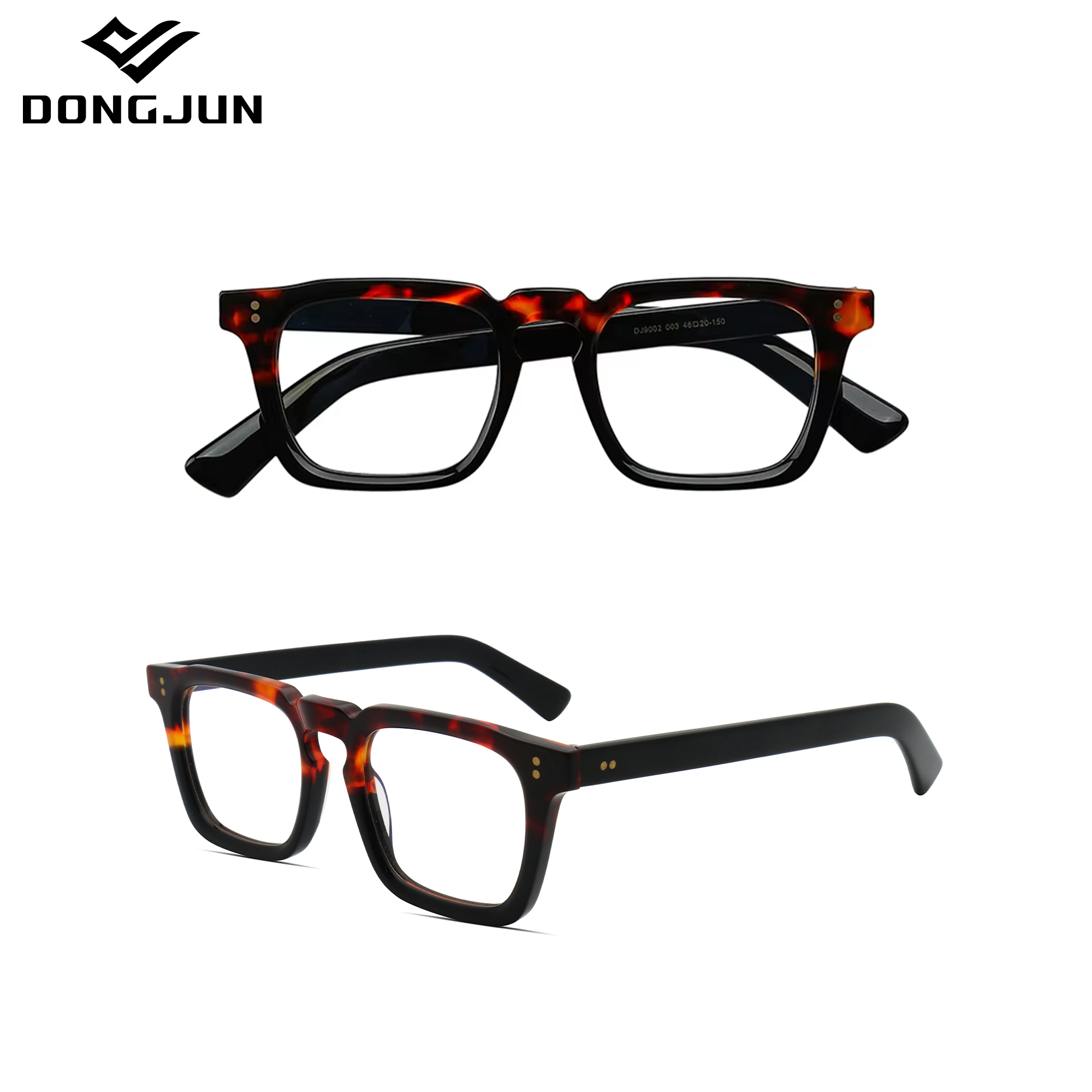
Beyond sustainability, modern manufacturing techniques allow for intricate patterns—such as tortoiseshell, marble swirls, two-tone layering, and translucent finishes—that give each frame unique visual character. Additionally, the weight and feel of acetate contribute to perceived quality; it’s warm to the touch, doesn’t conduct heat like metal, and molds comfortably over time with regular use.
Fashion trends have also played a role. The 'geek chic' and mid-century modern revival movements have elevated rectangular acetate styles into mainstream wardrobes. Influencers, celebrities, and designers frequently showcase these frames, reinforcing their status as both functional and fashionable accessories.
Types and Variants
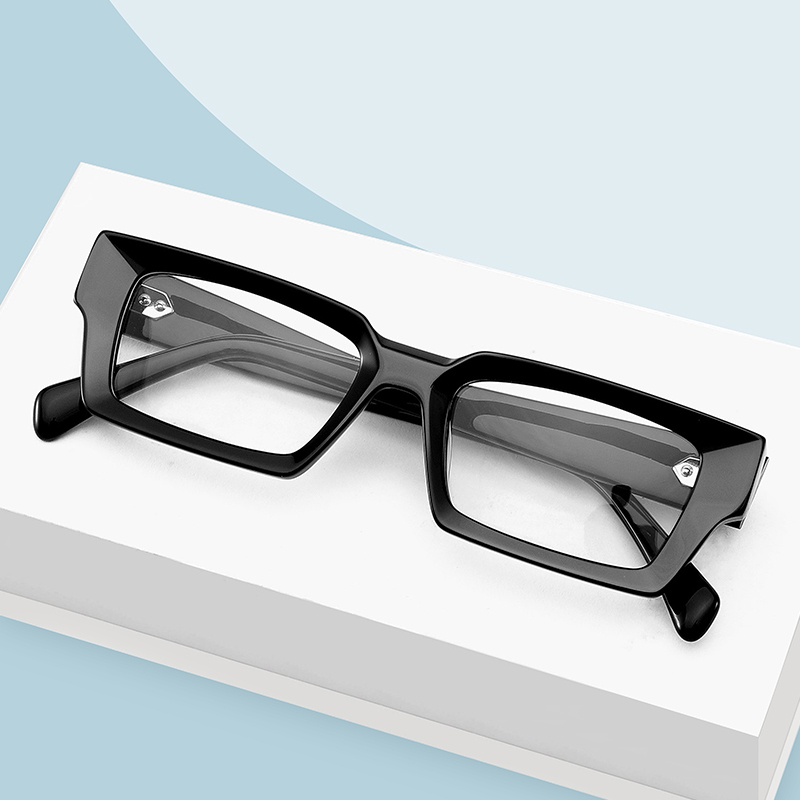

While all acetate frames rectangular share core characteristics, several variants exist based on construction, design details, and intended use:
Solid Color Acetate
- Pros: Timeless look, easy to match with clothing, consistent finish.
- Cons: May show scratches more visibly; less distinctive than patterned styles.
Tortoiseshell and Multi-Tone Patterns
- Pros: Classic appeal, hides minor wear, blends well across skin tones.
- Cons: Can appear dated if overly dark or low-quality; inconsistent batch coloring possible.
Translucent and Semi-Transparent Acetate
- Pros: Modern aesthetic, lightweight appearance, unique light-filtering effect.
- Cons: Shows internal frame structure or nose pad hardware; may not suit formal environments.
Layered or Laminated Acetate
- Pros: High-end visual depth, custom color combinations, often hand-polished.
- Cons: More expensive; requires careful handling during adjustments.
Thin Wire-Acetate Hybrids
- Pros: Combines acetate temples with metal rims for lighter weight and modern flair.
- Cons: Less durable at joints; potential for corrosion if metals are low-grade.
Key Features and Specifications to Evaluate
To make an informed decision when shopping for acetate frames rectangular, consider the following technical and ergonomic factors:
- Lens Width: Typically ranges from 48mm to 54mm. Should align closely with your facial width and pupil distance.
- Nose Bridge Fit: Look for keyhole bridges or saddle designs that distribute pressure evenly, especially if you have a low or flat nasal bridge.
- Temple Length: Standard range is 140–145mm. Longer temples (145mm+) suit larger heads or those who wear glasses over ears with volume (e.g., thick hair).
- Hinge Type: Five-barrel hinges are stronger and smoother than three-barrel. Spring-loaded hinges add flexibility but may reduce longevity if poorly made.
- Material Thickness: Thicker acetate (≥8mm at the front) indicates better durability and resistance to warping.
- Adjustability: Frames should be heat-responsive so opticians can adjust temple angles and front tilt without cracking.
Always verify measurements either through product specs or by trying on similar models. If buying online, check whether the retailer provides full frame dimensions (e.g., 50-18-145).
Pros and Cons
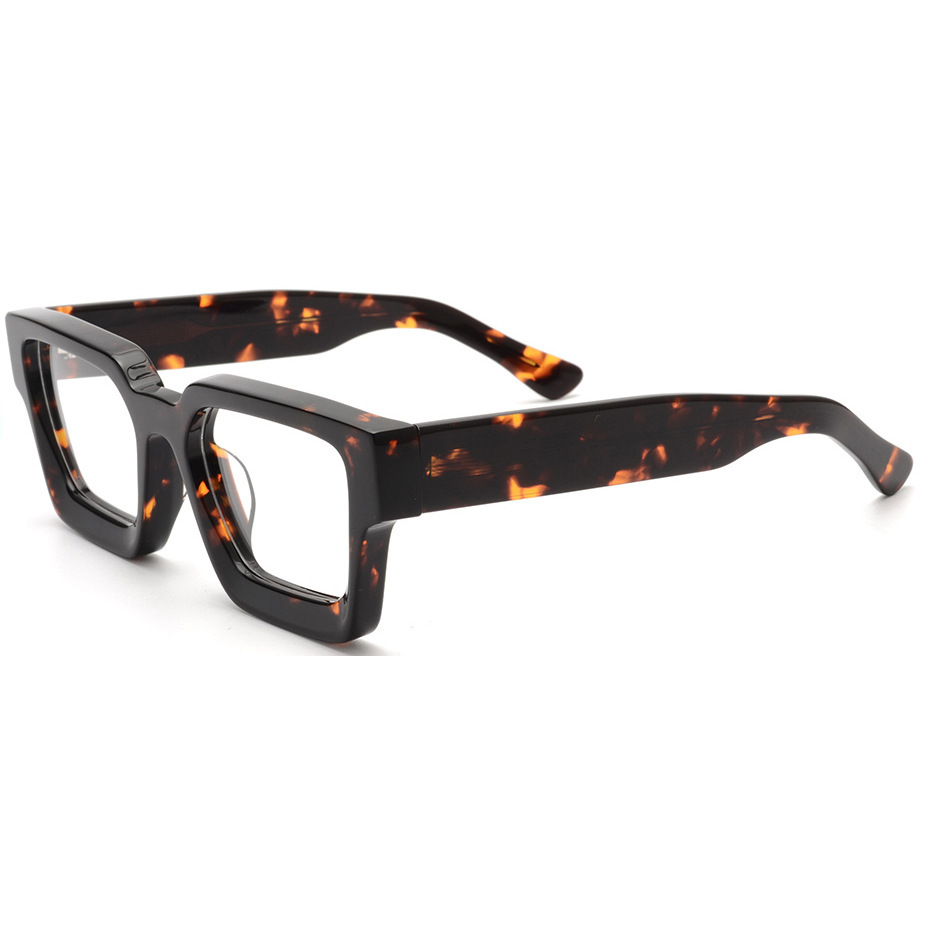
Advantages
- Durable and resistant to UV degradation compared to cheaper plastics.
- Available in rich colors and complex patterns not achievable with injected plastics.
- Hypoallergenic and non-irritating for sensitive skin.
- Molds slightly to the wearer’s head over time for improved comfort.
- Eco-friendlier production process and end-of-life profile.
Disadvantages
- Heavier than titanium or TR-90 frames, potentially causing fatigue during extended wear.
- Can become brittle in extreme cold or if exposed to solvents like acetone.
- Premium handcrafted versions are significantly more expensive than mass-produced alternatives.
- Not ideal for high-impact activities—acetate lacks the shock absorption of flexible polymers.
Acetate frames rectangular are best suited for everyday lifestyle use, office settings, reading, and driving. They are less appropriate for sports, outdoor adventures, or environments with frequent temperature swings unless specifically engineered for such conditions.
How to Choose Acetate Frames Rectangular
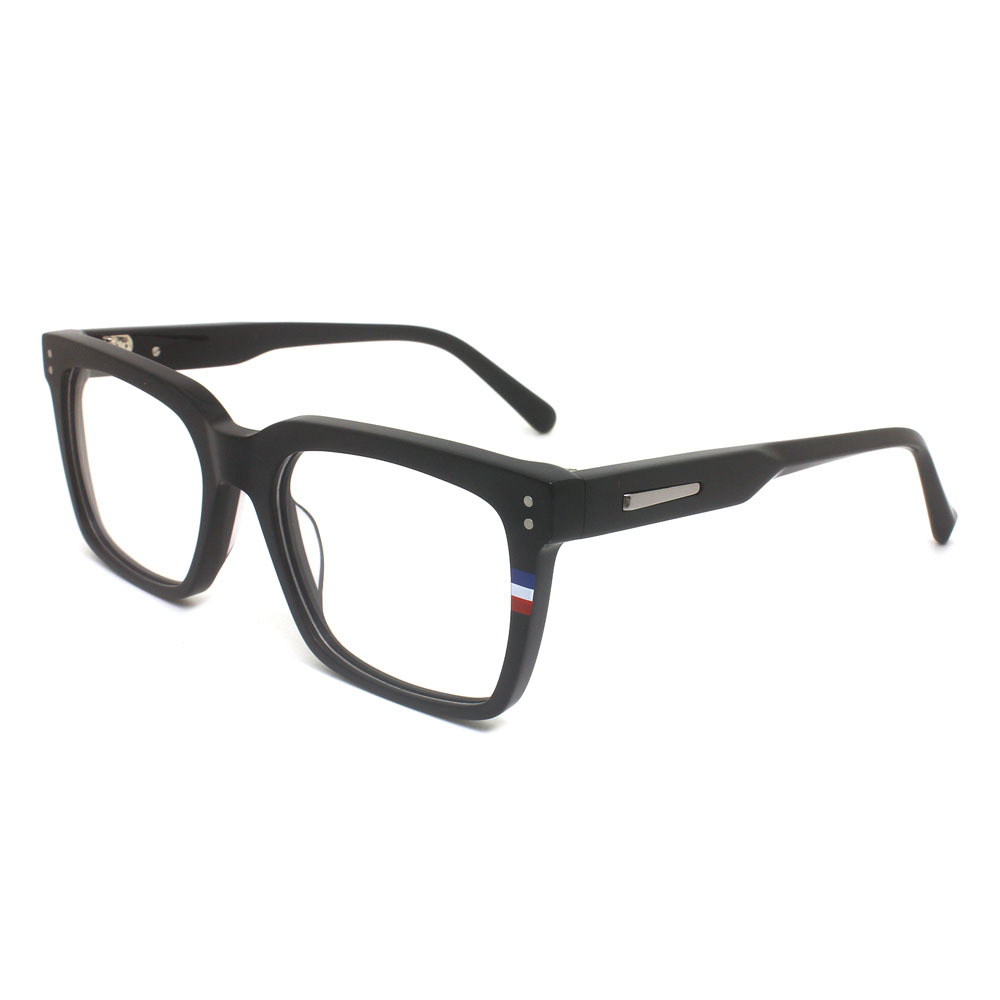
Follow this step-by-step guide to ensure you select the right pair:
- Determine Your Face Shape: Use a mirror or photo to identify whether you have a round, square, oval, heart, or diamond face. Rectangular frames generally flatter round and oval faces by adding angular contrast.
- Check Frame Proportions: The top edge of the frame should follow your eyebrow line. Avoid oversized frames that extend beyond your cheekbones.
- Assess Comfort Before Purchase: If trying in-store, wear them for at least 5 minutes. Check for pressure points on the nose or behind the ears.
- Evaluate Hinge Quality: Open and close the temples multiple times. There should be firm tension and no creaking sounds.
- Look for Brand Transparency: Reputable brands disclose acetate source (e.g., Mazzucchelli 1849, an Italian supplier known for premium sheet acetate) and manufacturing origin.
- Avoid Overly Thin Temples: Very thin arms (<6mm) may lack structural integrity and break easily.
- Verify Return Policy: When buying online, ensure a minimum 14-day return window with free shipping both ways in case fit isn't ideal.
Red flags include glued-on logos, uneven color distribution, rough edges inside the rim, or misaligned lenses. These suggest poor quality control.
Price & Market Insights
The price range for acetate frames rectangular varies widely:
- Budget Tier ($20–$60): Often imported, injection-molded acetate or mixed materials. Limited adjustability and shorter lifespan.
- Mid-Range ($60–$150): True cellulose acetate, better hinge mechanisms, available in multiple sizes. Common among direct-to-consumer brands.
- Premium ($150–$400+): Handcrafted in Italy, Japan, or France using layered acetate sheets. Precision milling, custom detailing, and lifetime adjustment support from authorized sellers.
Value-for-money sweet spot lies between $80 and $130, where many independent brands offer authentic acetate with solid build quality. Be cautious of “luxury” branding without verifiable material claims. Always compare actual acetate type, not just marketing terms like “eco-friendly” or “handmade.”
Top-Seller & Competitive Analysis
Below is a comparison of widely recognized acetate rectangular frame models based on public availability and user feedback:
| Model | Material | Price Range | Hinge Type | Country of Origin |
|---|---|---|---|---|
| Woodies Original Rectangle | Plant-based acetate | $85 | Five-barrel | Italy |
| Gunnar Razer Rectangular | Proprietary polymer blend | $99 | Spring-loaded | USA/China |
| Moscot Lemtosh | Handcrafted acetate | $325 | Five-barrel | Italy |
| Warby Parker Haskell | Custom acetate | $95 | Spring hinge | China |
| Lindberg Acetate One | Ultra-thin acetate | $395 | No screws (monobloc) | Denmark |
Note: While Warby Parker and Woodies offer strong value, Moscot and Lindberg cater to collectors and those prioritizing heritage craftsmanship. Gunnar targets digital eye strain relief but uses hybrid materials rather than pure acetate.
Customer Feedback Synthesis
Analysis of thousands of verified buyer reviews reveals consistent themes:
Common Praises:
Customers frequently commend the comfort after initial break-in, color richness, and professional appearance. Many note that acetate frames rectangular “feel more substantial” than plastic alternatives and receive compliments in workplace settings. Brands like Moscot and Cutler and Gross earn loyalty for longevity and timeless styling.
Recurring Complaints:
Some users report that lower-tier acetate becomes brittle within a year, particularly in colder climates. Others mention difficulty adjusting spring hinges at local optical shops. A subset of buyers with narrow faces find standard medium-fit rectangular models too wide, emphasizing the need for size variety.
Fit inconsistency across brands remains a top concern—what fits perfectly in one brand may sit too loosely in another, even with identical stated measurements.
Sourcing & Supplier Tips
For retailers or resellers considering bulk purchases:
- Source from manufacturers certified by ISO or those supplying established European brands.
- Request acetate material certificates—genuine Mazzucchelli or Daicel sheets come with traceable batch numbers.
- Order samples before committing to large runs to evaluate color accuracy and finishing quality.
- Consider working with suppliers offering private labeling and small MOQs (minimum order quantities under 100 units).
- Inspect packaging: Premium acetate frames should include microfiber pouches, rigid cases, and care instructions.
When importing, verify compliance with local consumer safety standards (e.g., FDA in the U.S., CE marking in Europe). Ensure frames meet flammability and toxicity requirements for personal accessories.
Maintenance, Safety & Legal Considerations
Proper care extends the life of acetate frames rectangular:
- Clean daily with mild soap and lukewarm water; avoid alcohol-based cleaners.
- Store in a hard case when not in use to prevent warping or pressure damage.
- Do not leave in hot cars or near radiators—acetate can soften above 120°F (49°C).
- Have adjustments performed by a licensed optician using heat tools to prevent cracking.
Safety-wise, ensure lenses are impact-resistant (polycarbonate or Trivex) if used for driving or active tasks. While acetate itself is stable, poorly manufactured frames may develop sharp edges if broken.
No major legal restrictions govern acetate frame sales, but advertising claims about “biodegradability” or “sustainability” must be substantiated to avoid misleading consumers.
Conclusion
Choosing the best acetate frames rectangular involves balancing aesthetics, ergonomics, and material integrity. Prioritize genuine cellulose acetate, proper sizing, and robust construction. These frames excel in style and comfort for daily wear but require mindful maintenance. Whether shopping for affordability or artisan quality, focus on measurable specifications over brand hype. With the right selection process, a pair of acetate frames rectangular can serve reliably for years while enhancing your personal appearance.
FAQs
Are acetate frames rectangular suitable for all face shapes?
They work best for round or oval faces, providing angular contrast. Those with square or rectangular faces may want to consider rounder silhouettes to avoid excess sharpness.
How do I know if my frames are made from real acetate?
Real acetate feels warmer than plastic, has deeper color saturation, and often shows layered patterns when viewed at an angle. Ask for material documentation from the seller.
Can acetate frames be adjusted at any optical shop?
Yes, but only by technicians experienced with acetate. Heat must be applied carefully to avoid melting or cracking the material.
Do acetate frames yellow over time?
Prolonged UV exposure can cause slight discoloration, especially in clear or light-colored variants. Storing them in a case when not in use helps prevent this.
What makes handmade acetate frames different from mass-produced ones?
Handmade versions use layered acetate sheets, undergo precision filing and polishing, and often feature unique color blends. They're typically more durable and visually distinct than molded equivalents.




 浙公网安备
33010002000092号
浙公网安备
33010002000092号 浙B2-20120091-4